

Volunteer Opportunities with Červený Kříž & Člověk v Tísni
Explore meaningful volunteer roles with two major Czech organizations. Find programs that match your interests and schedule. No experience required.
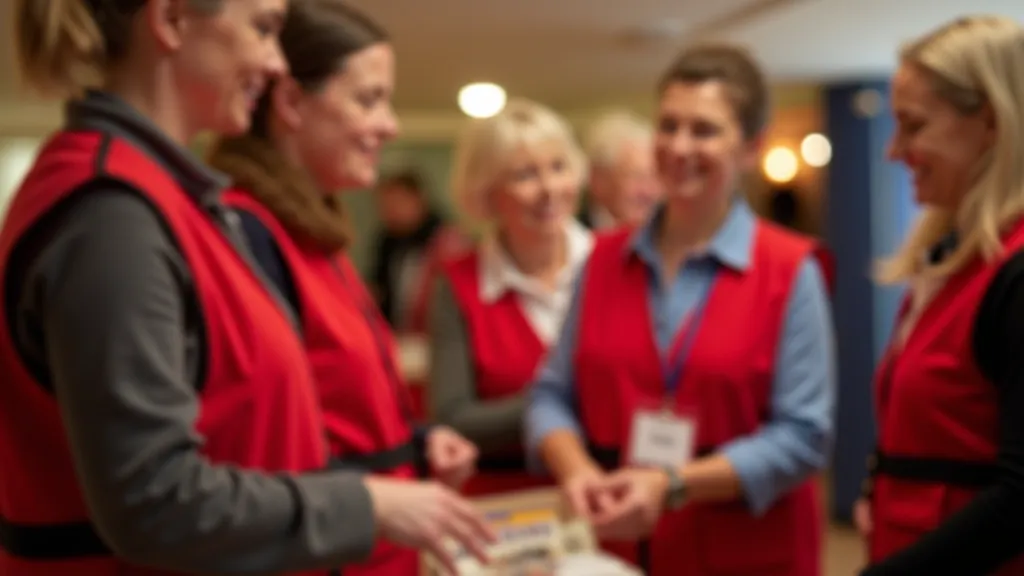
Why Volunteer After 50?
You've spent decades building a career, raising a family, meeting deadlines. Now what? Many people over 50 find that volunteering isn't just about helping others — it's about rediscovering purpose, building new friendships, and staying engaged in your community.
Volunteering with established organizations like Červený Kříž (Red Cross) and Člověk v Tísni (People in Need) gives you structure, training, and genuine impact. You're not starting from scratch. These organizations have been supporting Czech communities for decades, and they're actively looking for people with your life experience.
The best part? You control your schedule. Whether you've got a few hours a week or more flexibility, there's something that fits your life.
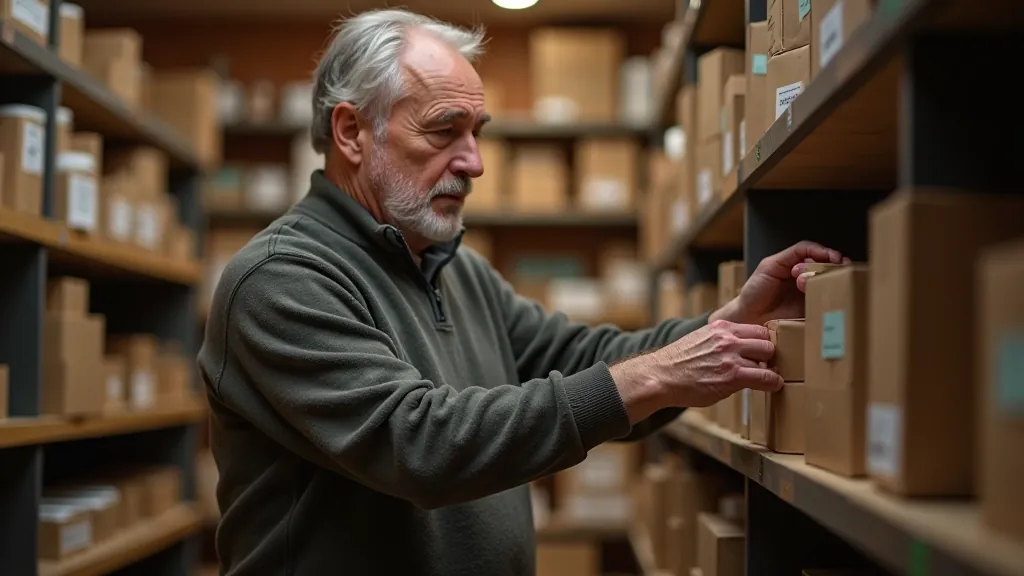
Červený Kříž: Building Compassion Across the Country
The Czech Red Cross has been operating since 1863. That's over 160 years of responding to human need. They're not small or scrappy — they run major programs across the entire country. And they need volunteers at every level.
What Volunteers Do
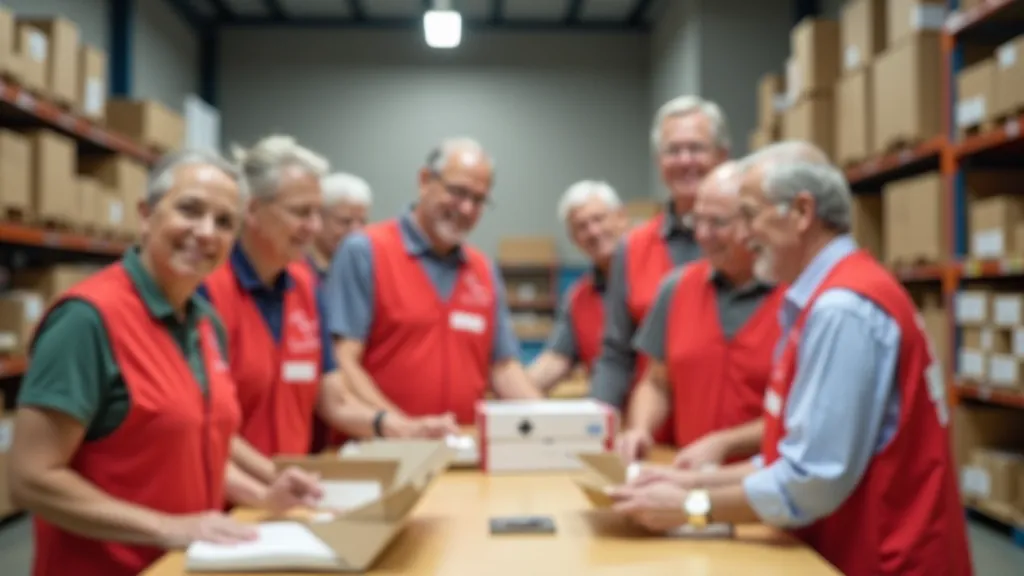
- Food bank distribution — sorting, packing, and handing out groceries to families in need
- Social visits — spending time with elderly people living alone, offering companionship
- First aid support — helping at events, community centers, or training new volunteers
- Administrative work — organizing files, answering phones, handling donations
- Disaster response — when floods or emergencies hit, they mobilize quickly
The Red Cross provides training for everything. You don't need experience. Many of their most dedicated volunteers started with zero background and learned on the job.
Explore More Resources


Člověk v Tísni: Addressing Real Problems
"People in Need" translates the name, but the work is specific: they tackle homelessness, poverty, and social exclusion. Founded in 1992, they've built programs that work. And they're honest about the challenges — you're not doing feel-good charity here. You're part of genuine problem-solving.
What Makes Them Different
They don't just hand out food. They run shelters, job training programs, mental health support, and housing initiatives. Your volunteering directly supports people rebuilding their lives. It's hands-on, sometimes challenging, always meaningful.
Volunteer Roles
- Shelter support — helping run day centers or overnight facilities
- Job coaching — mentoring people through employment programs
- Skills teaching — running workshops on practical topics (budgeting, CV writing)
- Community outreach — connecting with people on the streets, offering resources
- Administrative support — managing programs, tracking outcomes, fundraising help
Important Note
This article provides general information about volunteer opportunities with Czech organizations. Specific program availability, scheduling, and requirements may vary by location and change over time. Contact Červený Kříž or Člověk v Tísni directly for current openings, application procedures, and training requirements. Requirements for certain roles (such as working with vulnerable populations) may include background checks and certifications.

Getting Started: Practical Steps
Ready to volunteer but not sure where to start? Here's what actually happens.
1
Research What Fits You
Look at both organizations' websites. Red Cross and People in Need both have volunteer sections. Read what's available in your area. Some positions are one-time events. Others are ongoing weekly commitments. You'll find what matches your schedule.
2
Contact Your Local Office
Don't overthink it. Call or email the regional office. They're used to inquiries from people just like you. You'll talk with a coordinator who'll explain roles, training, and what to expect. Most conversations take 15-20 minutes.
3
Complete Basic Training
They'll provide training specific to your role. It's usually a few hours, sometimes spread over a couple sessions. It covers safety, procedures, and how to interact with people you're helping. You won't be thrown in unprepared.
4
Start Your First Shift
You'll probably shadow someone experienced first. After that, you're on your own (but with support available). Most volunteers say the first few sessions feel slightly awkward. By session three or four, you're comfortable and actually enjoying it.
What To Expect: Honest Talk
The Good Parts
You'll meet people from completely different backgrounds. You'll see how organizations actually work from the inside. Most importantly, you'll know your work matters. When you help someone access food, or spend an afternoon with an elderly person, you're not doing busywork. It's real impact.
The Challenging Parts
You'll encounter real suffering. People you're helping are struggling genuinely. You won't solve everything. Sometimes you'll see the same person in crisis month after month without clear progress. That's hard. But it's also honest, and many volunteers say it's why they keep showing up.
The Surprising Parts
You'll develop real friendships with other volunteers. You'll discover skills you didn't know you had. You'll probably volunteer longer than you planned. People come for three months thinking they're trying something new. Two years later they're still showing up because it's become part of their identity.
The Real Question
Volunteering after 50 isn't about proving something or staying busy. It's about choosing to be useful in a way that fits your life now. Červený Kříž and Člověk v Tísni are looking for exactly the kind of people you are — experienced, stable, reliable. They don't care that you've never done this before.
The real question isn't whether you're qualified. It's whether you're interested. If you are, reach out. Volunteer coordinators respond quickly. You'll have a conversation that's surprisingly straightforward. And within a few weeks, you could be doing work that genuinely matters in your community.
That's not a small thing.